
Kethwal tradition says the tribe accepted Islam at Potha Sharif, at the hands of Mir Syed Ali Hamadani, Shah-e-Hamadan. No document records the year. But Hamadani’s own life is well recorded, and all his journeys into Kashmir fall between 1372 and 1384 CE. This article explains why we use that window as the date.
خلاصہ: روایت کے مطابق قبیلہ کیٹھوال نے پوٹھہ شریف میں حضرت میر سید علی ہمدانیؒ (شاہِ ہمدان) کے ہاتھ پر اسلام قبول کیا۔ کسی دستاویز میں اس کا سال درج نہیں، لیکن شاہِ ہمدان کے کشمیر کے سفر تاریخ میں محفوظ ہیں: پہلا سفر 774 ہجری (1372ء)، دوسرا 781 ہجری (1379–80ء)، تیسرا 785 ہجری (1383–84ء)، اور 786 ہجری (1384ء) میں ان کی وفات ہوئی۔ چونکہ روایت کہتی ہے کہ وہ پوٹھہ شریف اور کوہالہ کے راستے کشمیر گئے، اس لیے کیٹھوالوں کے قبولِ اسلام کا سب سے قرینِ قیاس زمانہ 1372ء سے 1384ء کے درمیان ہے۔
The story as the tribe tells it
The fullest account is by the Kohsar historian Muhammad Obaidullah Alvi, in a chapter of Dastan-e-Qabeela Kethwal, compiled by Raja Waqar Kethwal:
حضرت سید علی ہمدانیؒ سات سو مبلغوں، ہنرمندوں اور فن کاروں کی جماعت لے کر براستہ پوٹھہ شریف، کوہالہ، کشمیر پہنچے ۔۔۔۔ انہوں نے گجنی پورہ (موجودہ راولپنڈی) سے رخت سفر باندھا، پوٹھہ شریف پہنچے، اس زمانے میں پوٹھہ شریف ایک جاگیر تھی جس کا کیٹھوال راجہ اگر خان تھا، اس نے حضرت میر سید علی ہمدانی کی خوب خاطر مدارات کی اور ان کی دعوت تبلیغ پر اسلام قبول کر لیا ۔۔۔۔ راجہ اگر خان کا نیا نام علی زمان رکھا گیا ۔۔۔۔ موجودہ پوٹھہ شریف کی مسجد کوہسار کی سب سے پہلی کعبہ کی بیٹی ہے جس کی بنیاد حضرت میر سید علی ہمدانیؒ نے رکھی تھی ۔۔۔۔ وہ کچھ عرصہ یہاں رہے اور آدھے سے زیادہ کیٹھوال قبیلہ ان کے ہاتھ پر مسلمان ہو گیا۔
Muhammad Obaidullah Alvi, «کوہسار میں اسلام کی آمد: کیٹھوال، اسلام قبول کرنے والا پہلا قبیلہ», in Dastan-e-Qabeela Kethwal
In short: Hamadani set out from Gajnipura (today’s Rawalpindi) with a company of preachers and craftsmen, bound for Kashmir by way of Potha Sharif and Kohala. At Potha Sharif the Kethwal chief of the jagir, Raja Agar Khan, received him, accepted Islam and was given the name Ali Zaman. Hamadani laid the foundation of the first mosque of Kohsar there. Alvi adds that the first Ramadan, the first taraweeh and the first Eid prayer of the hills were held in it, that the chiefs served Hamadani and his followers for a year, and that more than half of the tribe became Muslim.
Who was Mir Syed Ali Hamadani?
Mir Syed Ali Hamadani, remembered in Kashmir as Shah-e-Hamadan and Amir-e-Kabir, was a Sufi of the Kubrawi order from Hamadan in Iran. He is credited with bringing Islam, Persian crafts and learning to the valley of Kashmir; the Khanqah-e-Moula in Srinagar was built in his memory. Alvi gives his birth as 12 Rajab 714 AH in Hamadan and his death in 786 AH.
His journeys, in Hijri and Common Era dates
| Event | Hijri | Common Era |
|---|---|---|
| Born in Hamadan, Iran | 12 Rajab 714 AH | 1314 |
| First visit to Kashmir | 774 AH | 1372–73 (one account: arrived September 1372) |
| Second visit | 781 AH | 1379–80 |
| Third and last visit | 785 AH | 1383–84 |
| Died on the way back to Central Asia, near present-day Mansehra (some accounts say Kunar or Swat) | 786 AH | 1384 |
| Buried | Kulob, Khatlon (Tajikistan) |
Historians differ on how many times he came. Most follow the three visits above; a few argue that the early sources mention only one. Either way, every journey falls between 1372 and 1384 CE.
Why 1372–1384 CE
No record gives the year Raja Agar Khan accepted Islam. What we do know is where Hamadani travelled and when. The tradition places Potha Sharif on his road into Kashmir, by way of Kohala, the old crossing of the Jhelum. His journeys into Kashmir began in 1372 and ended with his death in 1384. A meeting at Potha Sharif must therefore fall within those twelve years, and that is the date this website uses: 1372–1384 CE (774–786 AH).
If he stopped at Potha on his first journey, the year was 1372. Alvi’s remark that the chiefs served him for a year fits the longer second visit of 1379–80 better. Until a written record is found, the whole window is the honest answer.
Other dates you may read
- 1402, at Kohala. A widely copied account, first published on a Kethwal blog in 2011, names Mian Qadir Bakhsh, son of Raja Chandu, as the first Kethwal Muslim, at Patan on the Kohala crossing in 1402. Hamadani died in 1384, so the year cannot be right, and the account cites no source.
- The twelfth century. Another chapter of the Dastan says the Kethwals had become Muslim at the hands of Shah Ali Hamadan in the twelfth century (quoted below). Hamadani was born in 1314, so this cannot be right either; the 1300s CE are the eighth century of the Hijri calendar.
حضرت شاہ علی ہمدانؒ کے ہاتھوں پر بارھویں صدی میں کیٹھوال مشرف بہ اسلام ہو چکے تھے
Raja Waqar Kethwal, «ذکر قبائلِ کوہسار کی آزادی کا», in Dastan-e-Qabeela Kethwal
What the British records say
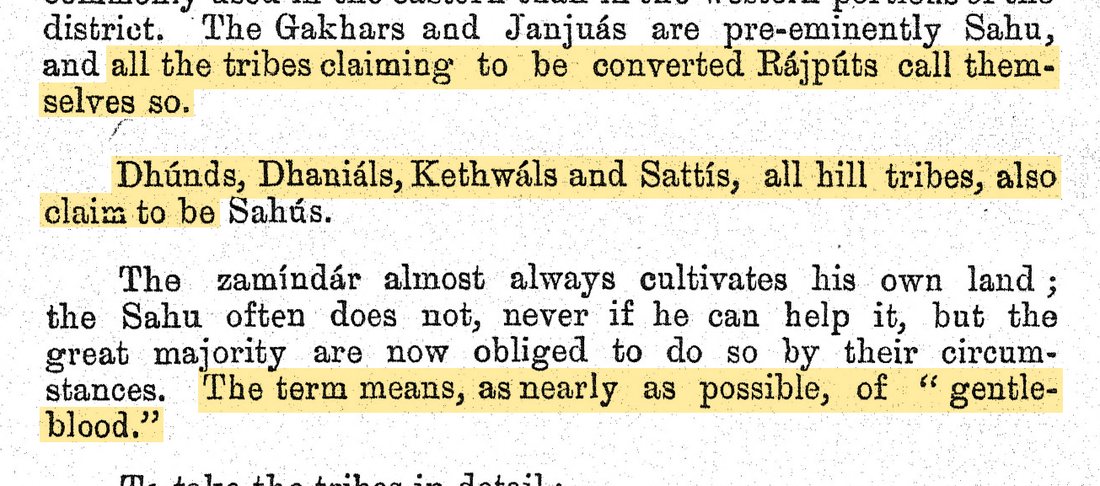
The British gazetteers of Rawalpindi District say nothing about when or how the hill tribes became Muslim. They do record that by the 1890s the Kethwals counted themselves among the converted Rajputs:
“The Gakhars and Janjuas are pre-eminently Sahu, and all the tribes claiming to be converted Rajputs call themselves so. Dhunds, Dhanials, Kethwals and Sattis, all hill tribes, also claim to be Sahus.”
Gazetteer of the Rawalpindi District, revised edition, 1893–94, Chapter III
اردو ترجمہ: گکھڑ اور جنجوعہ خاص طور پر ساہو ہیں، اور وہ تمام قبائل جو مسلمان ہونے والے راجپوت ہونے کا دعویٰ کرتے ہیں، خود کو ساہو کہتے ہیں۔ ڈھونڈ، دھنیال، کیٹھوال اور ستی، جو سب پہاڑی قبائل ہیں، بھی ساہو ہونے کا دعویٰ کرتے ہیں۔
What is still open
The Dastan names the chief as Raja Agar Khan. The shajra on this website does have an Agar (اگر), but he stands eleven generations below Ketho Khan, centuries after Hamadani, so he is very likely a different man. The shajra also places Ketho Khan himself in the 1500s (see Mian Ketho Khan). How a conversion in the 1300s fits a founder of the 1500s is a question the sources do not yet answer.
If your family holds a written record, a sanad or an old manuscript about Potha Sharif or Raja Agar Khan, please share it with us.
Sources
- Muhammad Obaidullah Alvi, «کوہسار میں اسلام کی آمد: کیٹھوال، اسلام قبول کرنے والا پہلا قبیلہ», in Raja Waqar Kethwal (comp.), Dastan-e-Qabeela Kethwal.
- Raja Waqar Kethwal, «ذکر قبائلِ کوہسار کی آزادی کا», in Dastan-e-Qabeela Kethwal.
- Mir Sayyid Ali Hamadani, Wikipedia: visits of 1379/80 and 1383/84, death in 1384 near Mansehra, burial at Kulob.
- Kashmir’s Amir-e-Kabir days, Kashmir Life: the visits of 774, 781 and 785 AH.
- A Shariah Sultanate, Kashmir Life.
- Genesis of Islam in Kashmir, Modern Diplomacy (2018): the one-visit and three-visit views.
- Gazetteer of the Rawalpindi District, revised edition, 1893–94, Chapter III, Section B.
- Kethwals: Introduction (blog, 2011): the 1402 Kohala account.