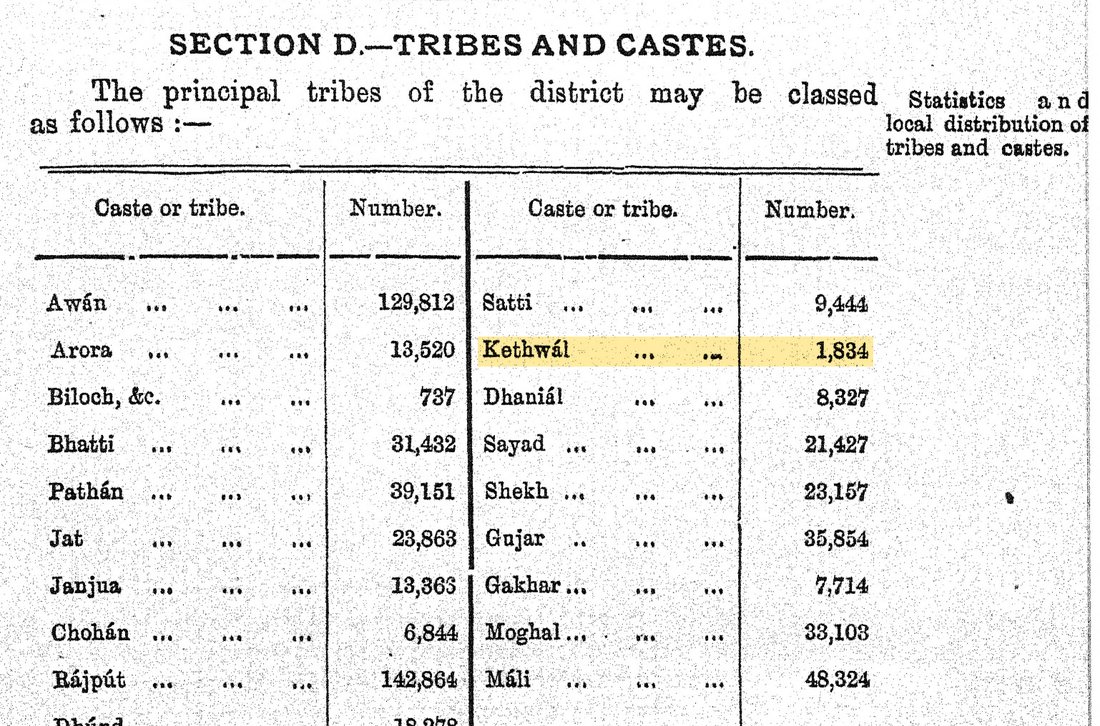
The British censuses give the first numbers for the tribe: 1,291 Kethwals in 1881 and 1,834 in 1891. The 1,834 figure is often quoted as the 1881 count; the original gazetteer tables show that it belongs to 1891.
خلاصہ: 1881ء کی مردم شماری میں 1,291 کیٹھوال (ریکارڈ میں «Khetwal») شمار ہوئے، اور 1891ء کی مردم شماری میں 1,834۔ اکثر جگہ 1,834 کو 1881ء کا عدد لکھا جاتا ہے، لیکن اصل گزیٹیئر سے ثابت ہے کہ یہ 1891ء کا عدد ہے۔ 1901ء میں کیٹھوالوں کو الگ شمار نہیں کیا گیا بلکہ راجپوتوں میں شامل کر دیا گیا۔ اس مضمون میں گزیٹیئر کے اصل انگریزی الفاظ اور ان کا اردو ترجمہ دیا گیا ہے۔
| Census | Kethwals | Source |
|---|---|---|
| 1881 | 1,291 (as “Khetwal”) | Gazetteer of the Rawalpindi District, 1883–84, p. 58 |
| 1891 | 1,834 | Gazetteer of the Rawalpindi District, 1893–94 |
| 1901 | Not counted separately; included with the Rajputs | Rawalpindi District Gazetteer, 1907 |
1881: 1,291 Kethwals
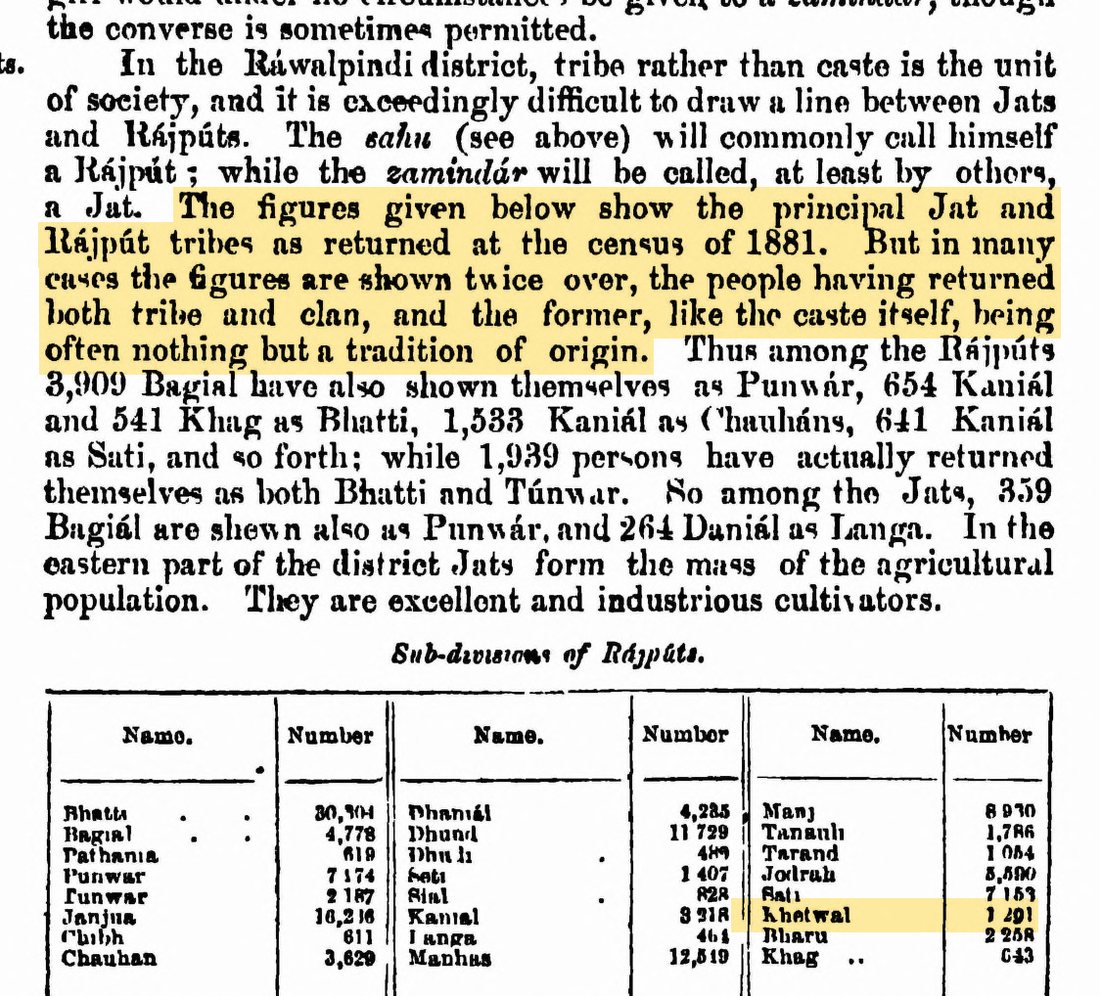
The Rawalpindi Gazetteer of 1883–84 prints a table of the Rajput sub-divisions returned at the census of 1881. The Kethwals appear in it as Khetwal, with 1,291 people. The gazetteer warns that the figures are rough:
“The figures given below show the principal Jat and Rajput tribes as returned at the census of 1881. But in many cases the figures are shown twice over, the people having returned both tribe and clan, and the former, like the caste itself, being often nothing but a tradition of origin.”
Gazetteer of the Rawalpindi District, 1883–84, Chapter III, p. 58
اردو ترجمہ: ذیل کے اعداد و شمار 1881ء کی مردم شماری میں درج اہم جاٹ اور راجپوت قبائل کو ظاہر کرتے ہیں۔ لیکن کئی صورتوں میں اعداد دو بار شمار ہوئے ہیں، کیونکہ لوگوں نے قبیلہ اور شاخ دونوں لکھوائے، اور قبیلہ، ذات کی طرح، اکثر محض نسب کی ایک روایت ہوتا ہے۔
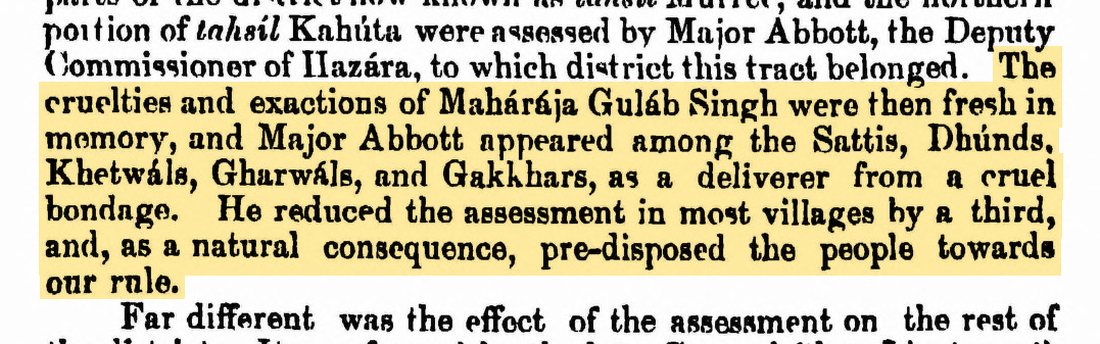
The same gazetteer remembers how the hill tribes first met British rule, when Major James Abbott, Deputy Commissioner of Hazara, made the first revenue assessment of these hills after the Sikh period:
“The cruelties and exactions of Maharaja Gulab Singh were then fresh in memory, and Major Abbott appeared among the Sattis, Dhunds, Khetwals, Gharwals, and Gakkhars, as a deliverer from a cruel bondage. He reduced the assessment in most villages by a third, and, as a natural consequence, pre-disposed the people towards our rule.”
Gazetteer of the Rawalpindi District, 1883–84, Chapter V
اردو ترجمہ: اس وقت مہاراجہ گلاب سنگھ کے مظالم اور زبردستی کی وصولیاں لوگوں کو تازہ یاد تھیں، اور میجر ایبٹ ستیوں، ڈھونڈوں، کیٹھوالوں، گھڑوالوں اور گکھڑوں کے درمیان ایک ظالمانہ غلامی سے نجات دلانے والے بن کر آئے۔ انہوں نے اکثر دیہات کا مالیہ ایک تہائی کم کر دیا، اور اس کے نتیجے میں لوگ فطری طور پر ہماری (انگریزی) حکومت کی طرف مائل ہو گئے۔
1891: 1,834 Kethwals
The revised gazetteer of 1893–94, written after the census of 1891, lists 1,834 Kethwals in its table of the principal tribes:
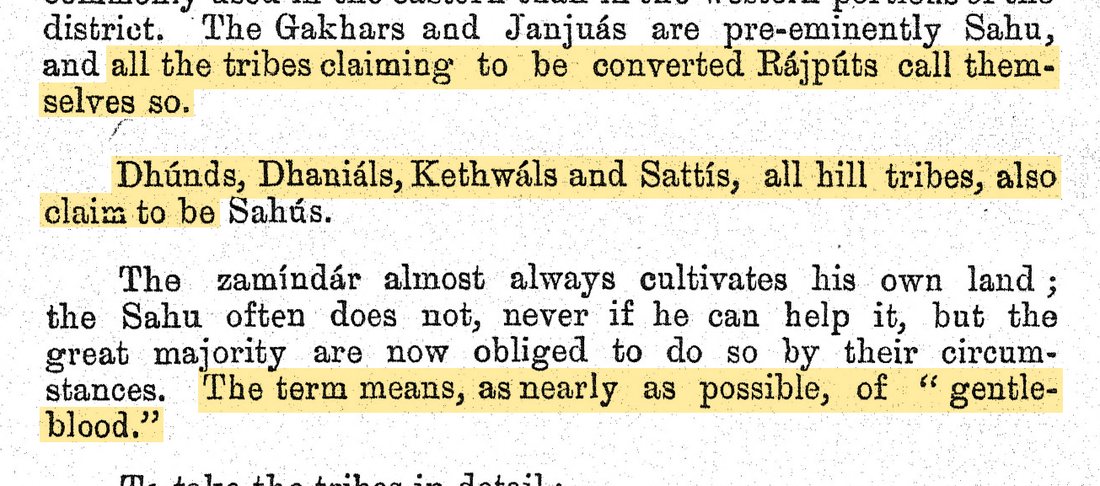
It also describes the tribe in more detail:
“The Kethwals bear a better character for uprightness and straightforwardness than the Dhunds. Their principal men are Baz Khan and Sirdar Khan, lambardars of Charihan. Kethwals have been recorded as owning five villages in the Murree tahsil but of these one, Charihan, covers a very large area.”
Gazetteer of the Rawalpindi District, revised edition, 1893–94, Chapter III
اردو ترجمہ: کیٹھوال دیانت داری اور صاف گوئی میں ڈھونڈوں سے بہتر شہرت رکھتے ہیں۔ ان کے سرکردہ افراد باز خان اور سردار خان ہیں، جو چڑہان کے نمبردار ہیں۔ ریکارڈ کے مطابق تحصیل مری میں کیٹھوال پانچ دیہات کے مالک ہیں، لیکن ان میں سے ایک، چڑہان، بہت بڑے رقبے پر پھیلا ہوا ہے۔
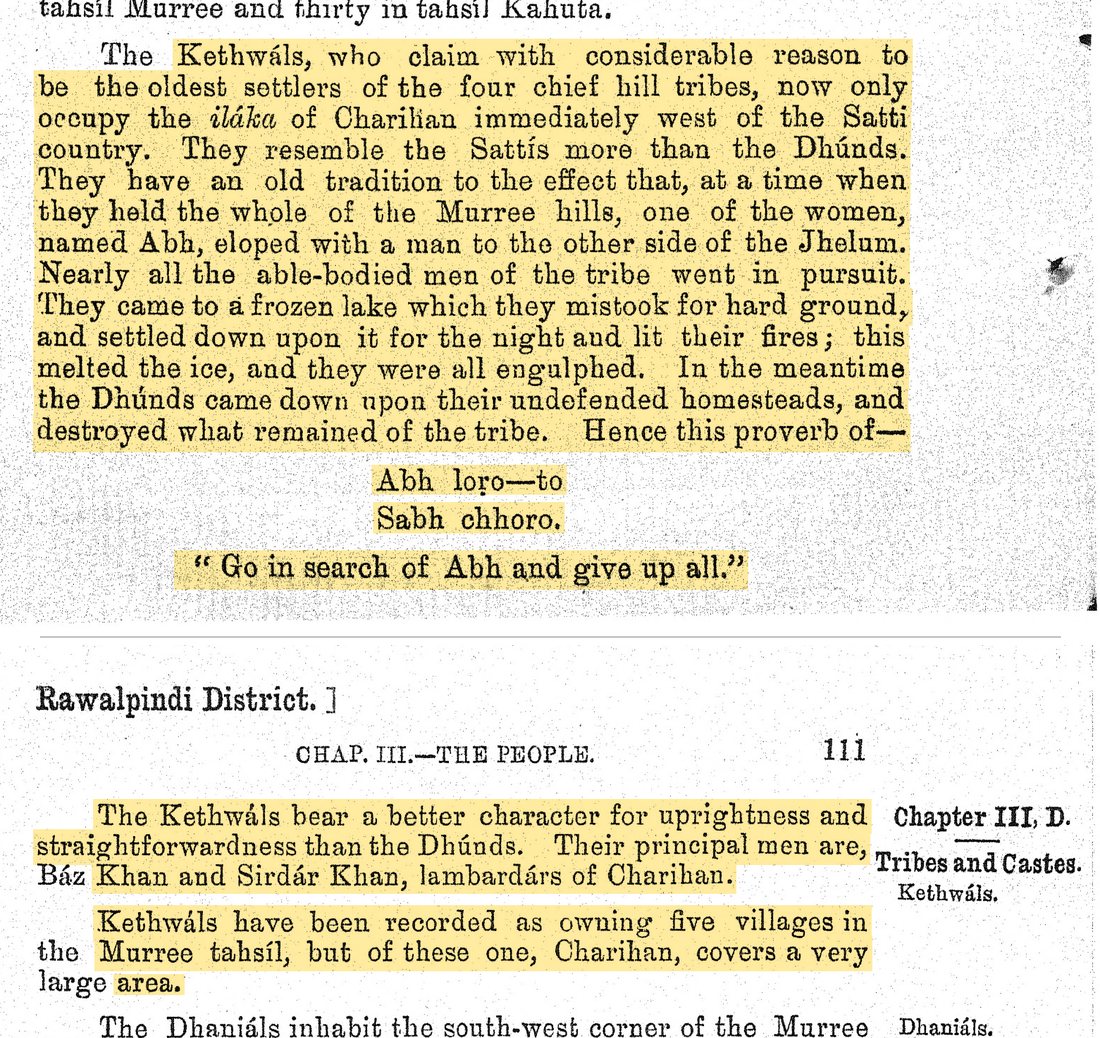
It also records the tribe’s place in the social order of the hills. The Kethwals were Sahu, the landowning “gentle” class:
“Dhunds, Dhanials, Kethwals and Sattis, all hill tribes, also claim to be Sahus. … The term means, as nearly as possible, “of gentle blood.””
Gazetteer of the Rawalpindi District, revised edition, 1893–94, Chapter III
اردو ترجمہ: ڈھونڈ، دھنیال، کیٹھوال اور ستی، جو سب پہاڑی قبائل ہیں، بھی ساہو ہونے کا دعویٰ کرتے ہیں۔ … اس لفظ کا قریب ترین مطلب ہے «شریف خون کا»۔
And whom the hill tribes married:
“Dhunds give their daughters to Kethwals, Dhanials, Sattis, Gakhars and Saiads.”
Gazetteer of the Rawalpindi District, revised edition, 1893–94, Chapter III
اردو ترجمہ: ڈھونڈ اپنی بیٹیاں کیٹھوالوں، دھنیالوں، ستیوں، گکھڑوں اور سیدوں کو بیاہتے ہیں۔

1901: counted as Rajputs
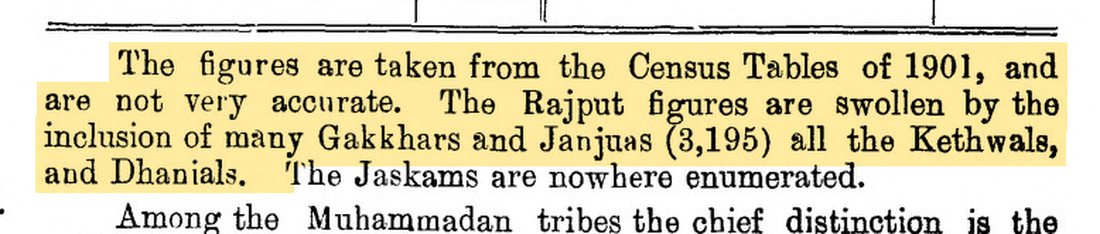
At the census of 1901 the Kethwals were not counted on their own. The 1907 gazetteer explains:
“The figures are taken from the Census Tables of 1901, and are not very accurate. The Rajput figures are swollen by the inclusion of many Gakkhars and Janjuas (3,195) all the Kethwals, and Dhanials.”
Punjab District Gazetteers, Rawalpindi District, 1907, Part A, Chapter I, Section C
اردو ترجمہ: یہ اعداد 1901ء کی مردم شماری کے جدولوں سے لیے گئے ہیں اور زیادہ درست نہیں۔ راجپوتوں کی تعداد اس لیے بڑھی ہوئی ہے کہ اس میں بہت سے گکھڑ اور جنجوعہ (3,195)، تمام کیٹھوال، اور دھنیال شامل کر دیے گئے ہیں۔
Read on: what the 1907 gazetteer says about the Kethwals, and Charhan, heart of the Kethwal homeland.
Sources
- Gazetteer of the Rawalpindi District, 1883–84, Chapter III, p. 58 (table “Sub-divisions of Rajputs”), and Chapter V.
- Gazetteer of the Rawalpindi District, revised edition, 1893–94, Chapter III, Sections B and D.
- Punjab District Gazetteers, Rawalpindi District, 1907, Part A, Chapter I, Section C.